Logisths: The Future of Efficient Logistics and Supply Chain Solutions
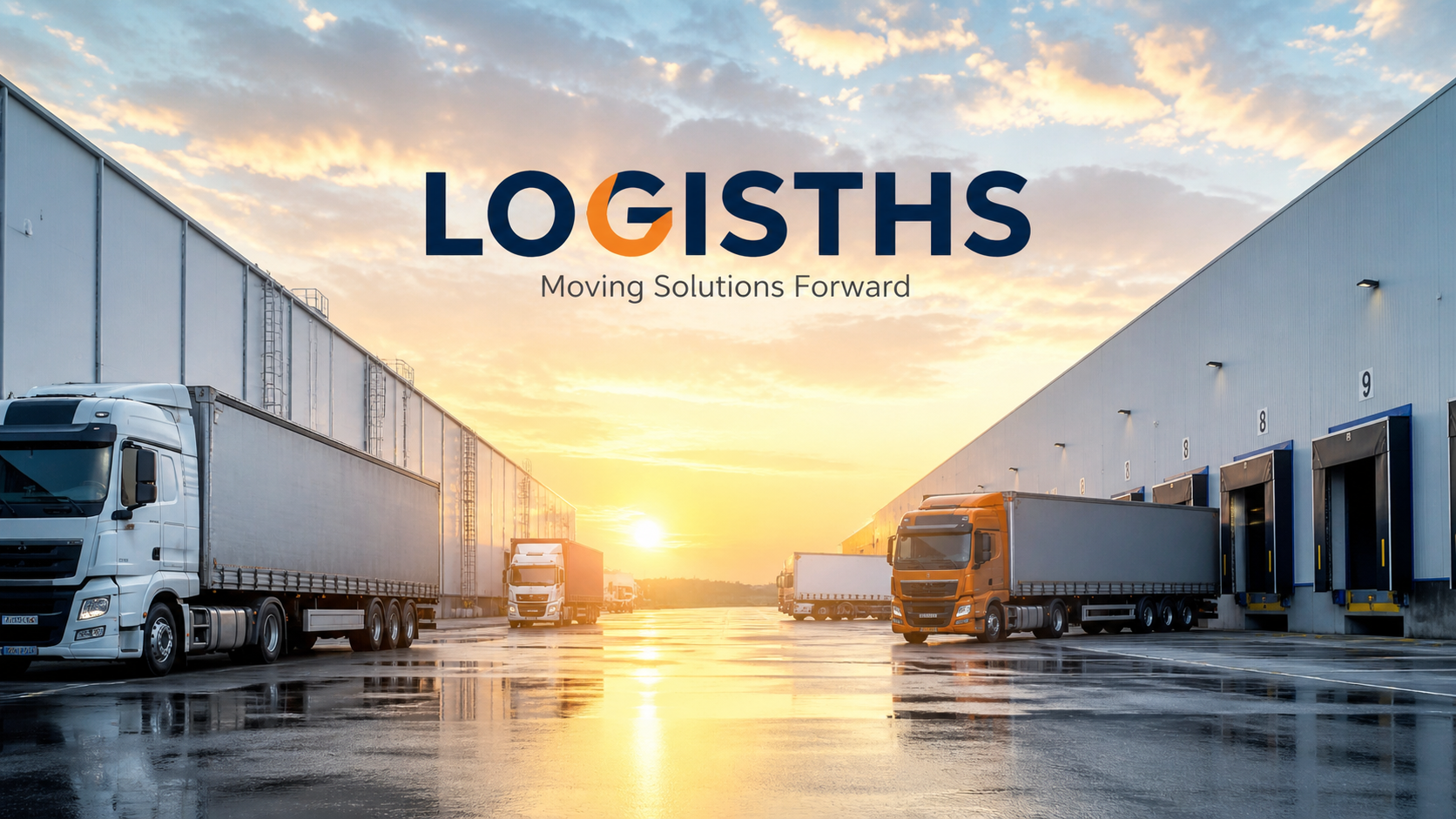
Introduction: Understanding the Need for Efficient Logistics
In today’s fast-paced global economy, the efficiency of logistics and supply chain management plays a pivotal role in driving business success. Companies must adapt to evolving demands, manage costs effectively, and stay ahead of their competition. The logistics sector is experiencing rapid growth, with technological advancements reshaping how goods are transported, stored, and delivered. This is where Logisths, a game-changer in logistics technology, steps in.
In this article, we explore how Logisths is revolutionizing the logistics industry, providing innovative solutions that promise to increase efficiency, reduce costs, and streamline operations. We will delve into its capabilities, trends, and how it is poised to shape the future of logistics and supply chains across the globe.
What is Logisths? An Introduction to the Concept
Logisths represents the next step in the evolution of logistics management systems, combining advanced technology, data analytics, and artificial intelligence (AI) to optimize the movement of goods across the supply chain. Unlike traditional logistics models, Logisths integrates end-to-end solutions that offer complete visibility, predictive analytics, and automation, helping businesses achieve more streamlined and cost-effective operations.
This revolutionary system is designed to automate and optimize core logistics functions such as transportation management, warehouse operations, and inventory control, making it an essential tool for modern businesses.
The Role of Technology in Modern Logistics
Technology is at the heart of modern logistics. The adoption of digital tools and AI has transformed how supply chains are managed, enabling businesses to improve efficiency and reduce human error. Logisths harnesses the power of Internet of Things (IoT) devices, real-time data, machine learning, and cloud-based platforms to create a seamless and adaptive logistics network.
With Logisths, logistics companies can monitor shipments in real-time, predict potential disruptions, and make data-driven decisions to enhance supply chain resilience. These technologies not only improve operational efficiency but also provide customers with better service by ensuring timely deliveries and accurate tracking.
How Logisths Improves Efficiency in Supply Chains
One of the primary benefits of Logisths is its ability to increase the efficiency of supply chains. Traditional logistics often involve several manual processes and siloed systems that can create bottlenecks, leading to delays, increased costs, and poor customer experiences. Logisths, on the other hand, streamlines these operations by using automated systems and integrated software solutions.
Some key ways Logisths improves efficiency include:
- Automation of Repetitive Tasks: By automating processes like inventory management, order processing, and shipment tracking, Logisths reduces human intervention, which leads to fewer errors and faster turnaround times.
- Real-Time Tracking and Transparency: With IoT sensors and real-time tracking, businesses can monitor the status of shipments at any given time, providing complete visibility and allowing for proactive problem-solving.
- Optimized Routing and Delivery: Logisths uses AI-powered algorithms to determine the most efficient routes for transportation, reducing fuel consumption, delivery times, and costs.
By leveraging these technologies, businesses can not only cut operational costs but also improve customer satisfaction by providing faster and more reliable delivery services.
Cost Reduction through Logisths: How It Helps Businesses Save Money
Cost management is a critical aspect of supply chain operations. Logistics expenses often account for a significant portion of a company’s overall budget, and inefficiencies in the supply chain can lead to unnecessary costs. Logisths helps businesses reduce logistics-related expenditures through several means:
- Reduced Labor Costs: Automation reduces the need for manual labor, which can lower wages and benefits expenses.
- Inventory Optimization: Logisths helps businesses optimize inventory levels, ensuring that they never have too much stock or too little. This minimizes storage costs and prevents overstocking, which can lead to wastage or tied-up capital.
- Fuel Savings: By optimizing transportation routes and choosing the most efficient modes of transportation, Logisths reduces fuel consumption, lowering transportation costs.
- Error Reduction: Automated systems reduce human errors in inventory management, order fulfillment, and shipping, preventing costly mistakes like sending the wrong products or losing shipments.
By reducing unnecessary overheads, Logisths enables businesses to allocate resources more efficiently and increase profitability.
Logisths and the Future of Supply Chain Sustainability
As the world moves toward more sustainable practices, the logistics industry is under pressure to reduce its environmental impact. Logisths offers several features that contribute to the sustainability of the supply chain:
- Energy-Efficient Transportation: Logisths optimizes delivery routes and transportation methods, reducing carbon emissions and fuel usage.
- Warehouse Efficiency: The platform helps optimize warehouse operations, reducing energy consumption and improving space utilization.
- Smart Packaging: Logisths integrates solutions for packaging that are both cost-effective and environmentally friendly, using materials that are easier to recycle and require less space.
- Waste Reduction: The platform’s advanced analytics help businesses minimize waste by better matching supply with demand, reducing product overproduction and spoilage.
By making logistics operations more eco-friendly, Logisths supports both business goals and environmental objectives, helping companies align with global sustainability trends.
Challenges in Implementing Logisths: What to Consider
While the benefits of Logisths are clear, it’s important to note that transitioning to such an advanced logistics platform comes with challenges. Companies need to carefully plan their adoption strategy to avoid potential pitfalls. Some of the key challenges include:
- Initial Setup Costs: Implementing a robust logistics system like Logisths requires significant investment in both hardware and software. Smaller businesses may find the initial costs prohibitive.
- Integration with Existing Systems: Integrating Logisths with current systems may require time and resources, as businesses need to ensure that their existing software is compatible with the new platform.
- Staff Training: Employees will need to be trained to use Logisths effectively, which can take time and effort.
Despite these challenges, the long-term benefits far outweigh the initial investment. Proper planning and execution can make the transition to Logisths a smooth and profitable one.
How Logisths is Empowering Small and Medium Enterprises (SMEs)
For small and medium-sized enterprises (SMEs), Logisths offers an opportunity to compete with larger players in the market. By providing affordable, scalable logistics solutions, SMEs can leverage the same technologies that larger corporations use without the high costs.
Logisths offers:
- Scalable Solutions: As SMEs grow, Logisths can scale with them, adapting to their changing logistics needs.
- Affordable Plans: Logisths provides cost-effective solutions tailored to SMEs, ensuring that they can benefit from the platform without breaking the bank.
- Increased Market Reach: With streamlined operations, SMEs can deliver products more efficiently and expand their customer base, both locally and internationally.
This democratization of logistics technology levels the playing field, allowing SMEs to thrive in competitive industries.
The Role of Logisths in Global Trade
As the world becomes more interconnected, global trade has reached unprecedented levels. Logisths plays a vital role in facilitating international trade by providing an efficient and cost-effective logistics solution for cross-border shipments. The platform ensures:
- Customs Compliance: Logisths helps businesses navigate the complexities of customs regulations, ensuring that shipments meet all legal requirements.
- Global Tracking: With real-time tracking and automated systems, businesses can manage their international shipments more effectively, reducing delays and preventing costly errors.
- Multi-Mode Transport: Logisths supports various transportation methods, including sea, air, and land, making it easier to move goods across international borders.
In this way, Logisths not only enhances local logistics but also plays a crucial role in facilitating seamless global trade.
Conclusion: The Future of Logistics with Logisths
Logisths is not just a trend; it is the future of logistics. By leveraging cutting-edge technology, businesses can streamline their supply chain operations, reduce costs, and provide better service to customers. With its ability to integrate seamlessly with existing systems and its focus on sustainability, Logisths is setting the stage for a new era of efficient, technology-driven logistics solutions.
As companies continue to adopt Logisths, we can expect to see significant improvements in the way goods are transported, stored, and delivered. For businesses looking to stay ahead of the competition, embracing Logisths is not just an option—it’s a necessity.

Post Comment