Latest Updates on Agentic Commerce: Trends, Insights, and Industry News
Introduction to Agentic Commerce
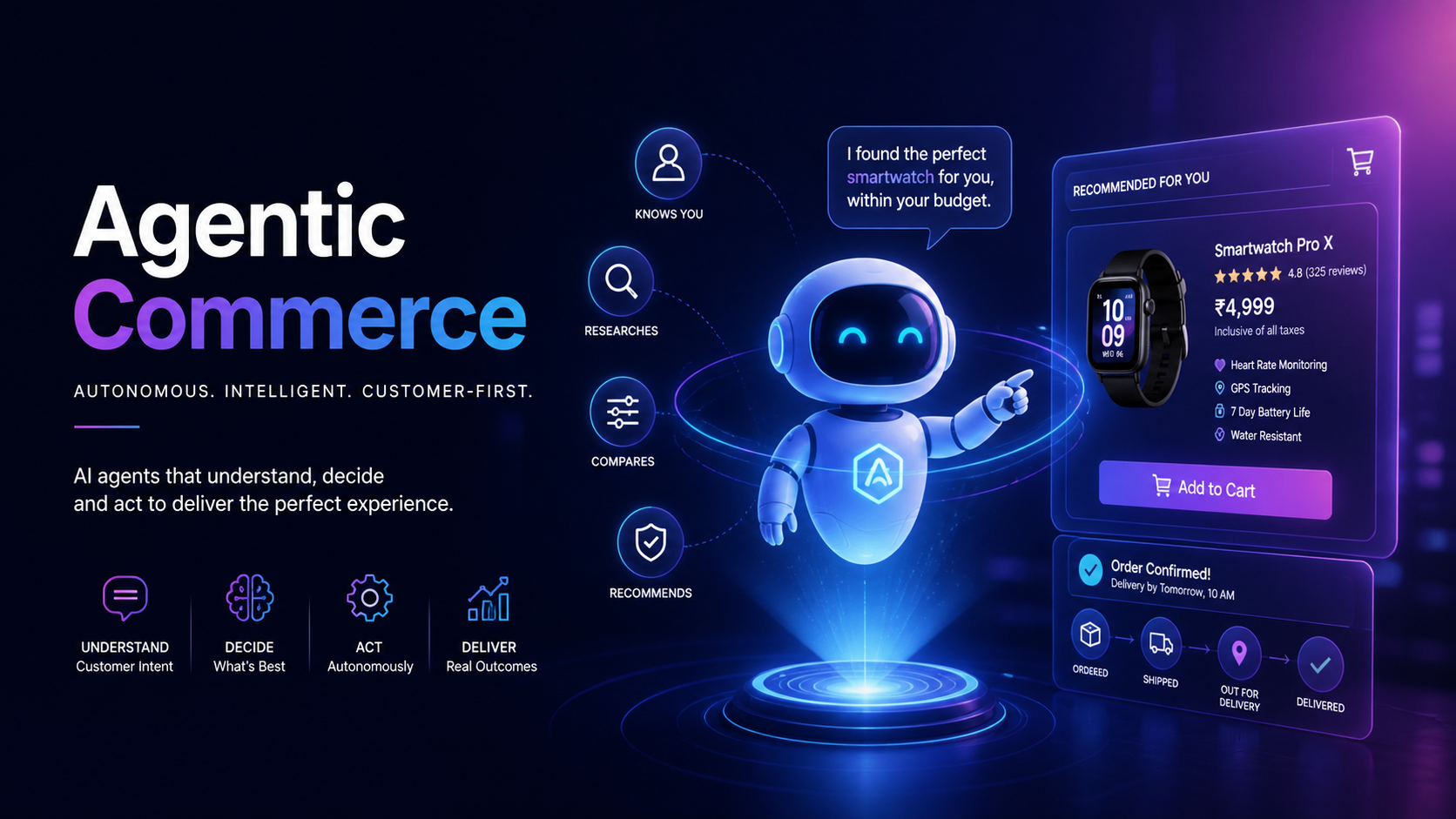
Agentic commerce is an emerging trend that is transforming the way businesses and consumers interact in digital spaces. It is a model that combines the power of artificial intelligence (AI) and autonomous agents to facilitate and personalize commerce experiences in real-time. In this article, we will delve deep into what agentic commerce is, its key components, trends, and how it is shaping the future of the e-commerce industry.
The Evolution of Agentic Commerce: From Traditional E-commerce to AI-Powered Agents
The journey from traditional e-commerce to agentic commerce has been marked by significant technological advancements. E-commerce, initially based on simple transactional websites, has evolved to embrace more sophisticated models. The introduction of AI-powered autonomous agents into commerce platforms has enabled businesses to provide hyper-personalized experiences for their customers. These agents, which use data to make decisions, can analyze consumer behavior, predict needs, and offer tailored solutions in real-time.
Agentic commerce is not just about automating processes; it’s about creating intelligent systems that learn from consumer interactions and adapt accordingly. This shift is due to advancements in machine learning, natural language processing (NLP), and AI. As businesses strive for better customer engagement and satisfaction, agentic commerce has emerged as a game-changer, leading to more personalized, efficient, and automated experiences.
Key Components of Agentic Commerce
Artificial Intelligence and Machine Learning
At the heart of agentic commerce lies artificial intelligence (AI) and machine learning (ML). These technologies allow autonomous agents to perform complex tasks, including personalizing shopping experiences, recommending products, and even handling customer service inquiries. AI-powered systems are designed to learn from vast datasets, enabling them to predict consumer preferences and anticipate future needs.
Machine learning plays a critical role in this process. As these systems interact with customers, they learn and improve over time, becoming more adept at making accurate predictions and offering solutions. This is a significant leap from traditional e-commerce, where recommendations were often based on broad categories and generalized user behavior.
Autonomous Agents
Autonomous agents are the backbone of agentic commerce. These agents, powered by AI, can make decisions on behalf of the consumer without direct human intervention. For example, AI agents can automatically place an order for products, negotiate prices, or even suggest alternative options based on real-time data.
One of the most prominent examples of autonomous agents in action is the use of chatbots or virtual assistants. These AI-driven agents interact with customers, answering questions, offering product recommendations, and even processing transactions, all while maintaining a natural and human-like conversation.
Data-Driven Personalization
Data is the fuel that drives agentic commerce. By collecting and analyzing vast amounts of data from various touchpoints—such as websites, mobile apps, and social media platforms—AI-powered agents can offer hyper-personalized experiences. These agents use data to understand a customer’s preferences, behavior, and purchase history, enabling them to provide targeted product suggestions, dynamic pricing, and customized recommendations.
The ability to personalize the shopping experience is one of the key factors that sets agentic commerce apart from traditional e-commerce. By leveraging data in real-time, businesses can engage customers on a deeper level, enhancing the overall experience and driving customer loyalty.
Agentic Commerce Trends Shaping the Future
1. Increased Use of AI Chatbots for Customer Service
AI-powered chatbots are becoming a crucial component of the agentic commerce landscape. These virtual assistants are not only handling customer service inquiries but are also playing a significant role in improving the overall customer experience. By offering instant support, chatbots help businesses provide 24/7 service to customers, which is essential in the fast-paced world of online shopping.
2. Voice Commerce Integration
Voice commerce is gaining traction, with many businesses integrating voice-enabled technologies such as Amazon Alexa, Google Assistant, and Apple Siri into their e-commerce platforms. Voice assistants allow consumers to make purchases, track orders, and interact with agents using natural language. This trend is expected to continue growing, as voice recognition technology improves, offering a more seamless and convenient shopping experience.
3. The Rise of Augmented Reality (AR) and Virtual Reality (VR)
Augmented reality (AR) and virtual reality (VR) are increasingly being integrated into e-commerce platforms, enhancing the agentic commerce experience. These technologies allow customers to visualize products in their environment before making a purchase. For example, in the fashion industry, AR enables consumers to try on clothes virtually, while in the furniture industry, AR lets customers see how a piece of furniture will look in their home.
The combination of AR and AI-powered agents is revolutionizing the way consumers shop, providing them with immersive, interactive, and personalized experiences.
4. Automated Personalization at Scale
One of the significant advantages of agentic commerce is the ability to automate personalization at scale. In traditional e-commerce, personalization was limited to basic recommendations based on past purchases or browsing history. With agentic commerce, AI-driven systems can provide more advanced personalization, tailoring every aspect of the shopping experience to the individual.
For example, AI agents can analyze a consumer’s behavior across multiple platforms and devices, adjusting their interactions in real-time. This enables businesses to deliver personalized product recommendations, offers, and content based on an individual’s preferences and habits.
Benefits of Agentic Commerce for Businesses
Improved Customer Engagement
One of the primary benefits of agentic commerce for businesses is improved customer engagement. AI-powered agents allow businesses to interact with customers in a more personalized and meaningful way. By offering tailored recommendations, real-time customer service, and targeted promotions, businesses can build stronger relationships with their customers.
Increased Efficiency and Reduced Costs
By automating tasks such as customer service, order processing, and inventory management, agentic commerce can significantly reduce operational costs. Businesses can save time and resources by relying on AI agents to handle routine tasks, allowing human employees to focus on more strategic initiatives.
Enhanced Decision-Making
AI-driven systems are capable of analyzing vast amounts of data and generating insights that can inform business decisions. For example, businesses can use AI to identify trends, predict customer behavior, and optimize pricing strategies. These data-driven insights enable companies to make more informed decisions, improving their overall performance.
Challenges and Considerations in Agentic Commerce
Data Privacy and Security
As with any technology that relies on data, agentic commerce raises concerns around data privacy and security. Businesses must ensure that they are collecting and storing customer data in compliance with privacy regulations, such as GDPR and CCPA. Protecting customer information is essential to maintaining trust and avoiding potential legal issues.
Ethical Implications
The rise of autonomous agents also brings about ethical considerations. For example, as AI becomes more integrated into commerce, questions arise regarding transparency, accountability, and the potential for bias. Businesses must ensure that their AI systems are fair, unbiased, and transparent in their decision-making processes.
The Future of Agentic Commerce
As agentic commerce continues to evolve, we can expect even more innovations in the realm of AI, machine learning, and autonomous agents. The integration of emerging technologies like blockchain and 5G will likely further enhance the capabilities of agentic commerce, enabling businesses to offer even more personalized and seamless shopping experiences.
Furthermore, the use of AI-powered agents will expand beyond traditional e-commerce platforms, with businesses adopting agentic commerce models in industries such as healthcare, finance, and entertainment. As AI continues to improve, the possibilities for agentic commerce are virtually limitless.
Conclusion
Agentic commerce is more than just a buzzword—it represents the future of online shopping. By leveraging AI, machine learning, and autonomous agents, businesses are able to create hyper-personalized, efficient, and engaging shopping experiences for their customers. As this technology continues to evolve, we can expect to see even more innovation in the world of e-commerce, making it an exciting time for businesses and consumers alike.
With its ability to improve customer engagement, streamline operations, and provide valuable insights, agentic commerce is poised to revolutionize the way we shop. As businesses continue to adopt these technologies, they will be able to stay ahead of the competition and deliver experiences that meet the demands of today’s tech-savvy consumers.

Post Comment