Latest ERP News: Trends, Updates, and Insights in Enterprise Resource Planning
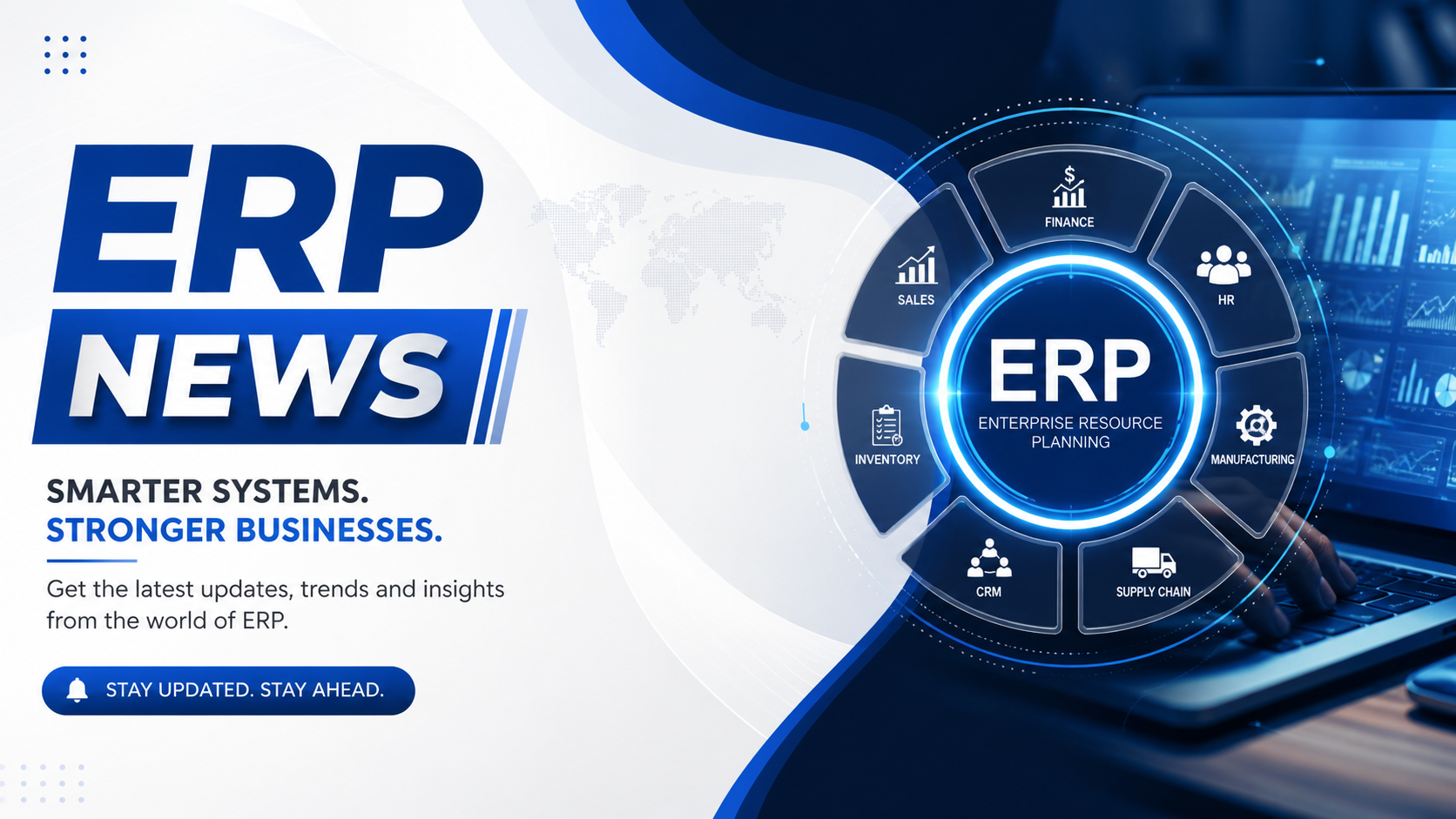
Enterprise Resource Planning (ERP) systems are evolving rapidly as businesses strive to streamline their operations, improve efficiency, and stay ahead in a competitive market. The world of ERP has seen significant advancements, especially with the increasing reliance on cloud computing, artificial intelligence, and data analytics. In this article, we explore the latest ERP news, trends, updates, and insights that shape the future of enterprise resource planning solutions. Whether you’re an industry professional, business leader, or an aspiring ERP user, this article offers valuable insights on how ERP systems are revolutionizing business processes.
Understanding ERP Systems and Their Importance
Enterprise Resource Planning (ERP) systems are integrated software solutions that manage business processes within an organization. ERP systems centralize business functions like finance, HR, supply chain management, inventory control, procurement, and customer relationship management. They enable businesses to streamline operations, reduce costs, and make more informed decisions by providing real-time data and analytics.
The importance of ERP systems has grown immensely in recent years as companies look to improve their operational efficiency. Businesses across various industries—whether manufacturing, retail, healthcare, or services—are embracing ERP software to enhance productivity, ensure regulatory compliance, and foster innovation.
ERP News: The Rise of Cloud ERP Solutions
One of the most significant trends in the ERP industry today is the widespread adoption of cloud-based ERP systems. Cloud ERP offers many advantages over traditional on-premise systems, including cost efficiency, scalability, and flexibility. Cloud ERP solutions are hosted on remote servers, which means businesses no longer need to invest in costly hardware or maintain complex IT infrastructures.
In recent ERP news, major software providers like Oracle, SAP, and Microsoft are focusing on enhancing their cloud-based ERP offerings. These companies are continuously improving cloud ERP solutions with features like mobile access, seamless integration with other cloud applications, and AI-driven analytics. With the rise of remote work, cloud ERP has become essential for companies to maintain smooth operations from anywhere in the world.
Cloud-based ERP systems also allow businesses to access their data securely from multiple devices and locations, facilitating collaboration among remote teams. This flexibility and accessibility have made cloud ERP a preferred choice for small and medium-sized businesses that want to reduce overhead costs and scale their operations without sacrificing functionality.
Integration of Artificial Intelligence and Automation in ERP
Another key trend in the latest ERP news is the integration of artificial intelligence (AI) and automation technologies. As businesses strive to become more agile, AI and automation are transforming ERP systems, enabling companies to make smarter, data-driven decisions.
AI-powered ERP systems can analyze large volumes of data, recognize patterns, and provide predictive insights that help businesses plan for future trends and market shifts. Automation, on the other hand, eliminates the need for manual data entry and repetitive tasks, reducing human error and improving efficiency.
In ERP solutions, AI is being used for functions like inventory forecasting, supply chain optimization, and predictive maintenance. These innovations are enabling businesses to automate complex workflows, reduce costs, and enhance decision-making in real-time.
The Growing Role of ERP in Business Intelligence
Business intelligence (BI) is increasingly becoming a central component of ERP systems. ERP software is evolving from being a tool for managing business operations to a robust platform for gathering, analyzing, and visualizing data for strategic decision-making.
ERP systems that integrate BI tools allow businesses to access real-time dashboards, generate reports, and gain actionable insights into every aspect of their operations. By combining ERP and BI, companies can monitor key performance indicators (KPIs), track financial performance, optimize supply chains, and improve customer relationships.
The latest ERP news highlights the increasing importance of BI within ERP systems. Organizations are using BI features in ERP software to identify inefficiencies, track trends, and forecast future growth. This integration is making ERP systems more powerful by providing organizations with data-driven insights that drive business transformation.
ERP Customization and Industry-Specific Solutions
While ERP systems are used across various industries, there is a growing demand for customized ERP solutions tailored to the unique needs of specific sectors. The latest ERP news reflects a shift towards vertical ERP solutions designed for industries such as healthcare, retail, manufacturing, and construction.
Industry-specific ERP solutions are designed with features and functionalities that align with the specific requirements of each sector. For example, healthcare ERPs may include features such as patient management, regulatory compliance tracking, and medical billing, while retail ERPs focus on inventory management, point-of-sale (POS) systems, and customer loyalty programs.
This trend toward industry-specific ERP customization is driven by the need for businesses to meet the evolving demands of their industries while maintaining operational efficiency. As ERP systems become more specialized, organizations can expect more personalized solutions that better address their unique business challenges.
Mobile ERP: Empowering Remote Work and On-the-Go Access
Mobile ERP is another significant development in the ERP news landscape. As organizations continue to embrace remote work and flexible work environments, the demand for mobile ERP solutions has increased. Mobile ERP systems allow employees and managers to access critical business data and perform tasks directly from their smartphones or tablets.
The latest ERP news reveals that leading ERP vendors are rolling out mobile applications to provide real-time data access, task management, and collaboration tools for employees on the go. Mobile ERP apps enable sales teams to access customer data, approve orders, and manage workflows in real-time, regardless of their location.
With mobile ERP solutions, businesses can boost productivity, improve customer service, and empower employees to make decisions faster. Additionally, mobile access to ERP systems provides executives with real-time business insights, allowing them to make informed decisions on the move.
ERP and the Shift Toward Sustainability and Green Business Practices
Sustainability is becoming a top priority for organizations around the world. ERP systems are now being used to help companies achieve their environmental goals, track sustainability efforts, and reduce their carbon footprint.
The latest ERP news reveals how ERP software is supporting organizations in their sustainability initiatives by tracking resource usage, reducing waste, and improving energy efficiency. For example, ERP systems can help manufacturers optimize production processes to reduce waste, monitor energy consumption, and track their carbon emissions.
ERP systems are also helping organizations comply with environmental regulations by ensuring accurate reporting and data tracking. As businesses move toward green practices, ERP systems are playing a critical role in ensuring transparency and efficiency in sustainability efforts.
ERP for Small and Medium-Sized Enterprises (SMEs)
While large enterprises have traditionally been the primary users of ERP systems, there is a growing trend of small and medium-sized enterprises (SMEs) adopting ERP solutions to enhance their business operations. The latest ERP news highlights the increasing accessibility of ERP systems for SMEs, thanks to more affordable cloud-based solutions and simplified user interfaces.
ERP systems designed for SMEs offer essential functionalities such as inventory management, financial tracking, and customer relationship management at a fraction of the cost of enterprise-level systems. This trend is empowering smaller businesses to operate more efficiently, scale their operations, and compete with larger enterprises.
The rise of ERP solutions for SMEs is democratizing access to advanced technology, enabling smaller organizations to optimize their operations and leverage data to make better business decisions.
The Future of ERP: Trends to Watch in 2026 and Beyond
As ERP systems continue to evolve, several trends are shaping the future of enterprise resource planning. In the coming years, we can expect to see even greater advancements in AI, machine learning, and automation integration into ERP systems. These technologies will help businesses unlock more value from their data and optimize their operations in ways never before possible.
Moreover, as the demand for data security grows, ERP vendors will focus on enhancing the security features of their software to protect sensitive business information. Blockchain technology may also play a role in ERP systems by providing secure, transparent transactions and data sharing.
The future of ERP will also see an increased emphasis on user experience and interface design, making ERP systems more intuitive and accessible to a wider range of users. As ERP systems continue to evolve, businesses will be able to leverage more advanced features to drive innovation and business transformation.
Conclusion: The Ever-Evolving ERP Landscape
ERP systems have come a long way from their origins as simple business management tools. Today, they are at the heart of digital transformation in organizations across various industries. The latest ERP news reflects the growing importance of cloud computing, AI, business intelligence, and industry-specific solutions in shaping the future of ERP systems.
As businesses continue to navigate the challenges of the modern world, ERP systems will remain a crucial tool for driving efficiency, improving decision-making, and fostering innovation. With constant advancements in technology, the ERP landscape will continue to evolve, offering new opportunities for businesses to optimize their operations and stay competitive in an increasingly digital world.
By staying informed about the latest ERP trends and updates, organizations can ensure they are leveraging the full potential of ERP systems to enhance their operations, reduce costs, and improve overall performance.


Post Comment